Handpan buying guide
Best Handpan for Beginners: How to Choose Your First Handpan
Choose your first handpan with confidence. Compare beginner-friendly scales, note counts and Sonara models designed to make your first steps intuitive.

Handpan buying guide
Choose your first handpan with confidence. Compare beginner-friendly scales, note counts and Sonara models designed to make your first steps intuitive.
Quick answer
Selected by Sonara
Buying your first handpan should feel exciting, not confusing. The main decisions are simpler than they look: choose a scale that is easy to improvise on, pick a note count that matches your level, and buy an instrument with stable tuning and a sound you genuinely enjoy.
For most beginners, a 9- or 10-note D Minor / D Kurd handpan is the safest place to start. It gives you enough musical range to create real melodies without overwhelming you with too many notes. If you are ready to compare beginner-friendly instruments now, explore our Beginner Handpans.
The best beginner handpan is one that makes improvisation easy. D Minor and D Kurd are especially popular because the notes naturally complement each other. That means you can focus on touch, rhythm and expression instead of worrying about playing a “wrong” note.
We usually recommend starting with 9 or 10 notes. Nine notes keep the layout simple and intuitive. Ten notes add a little more melodic range while staying beginner-friendly. Twelve-note models can also work well, especially if you already play another instrument or know you want more possibilities from the start.
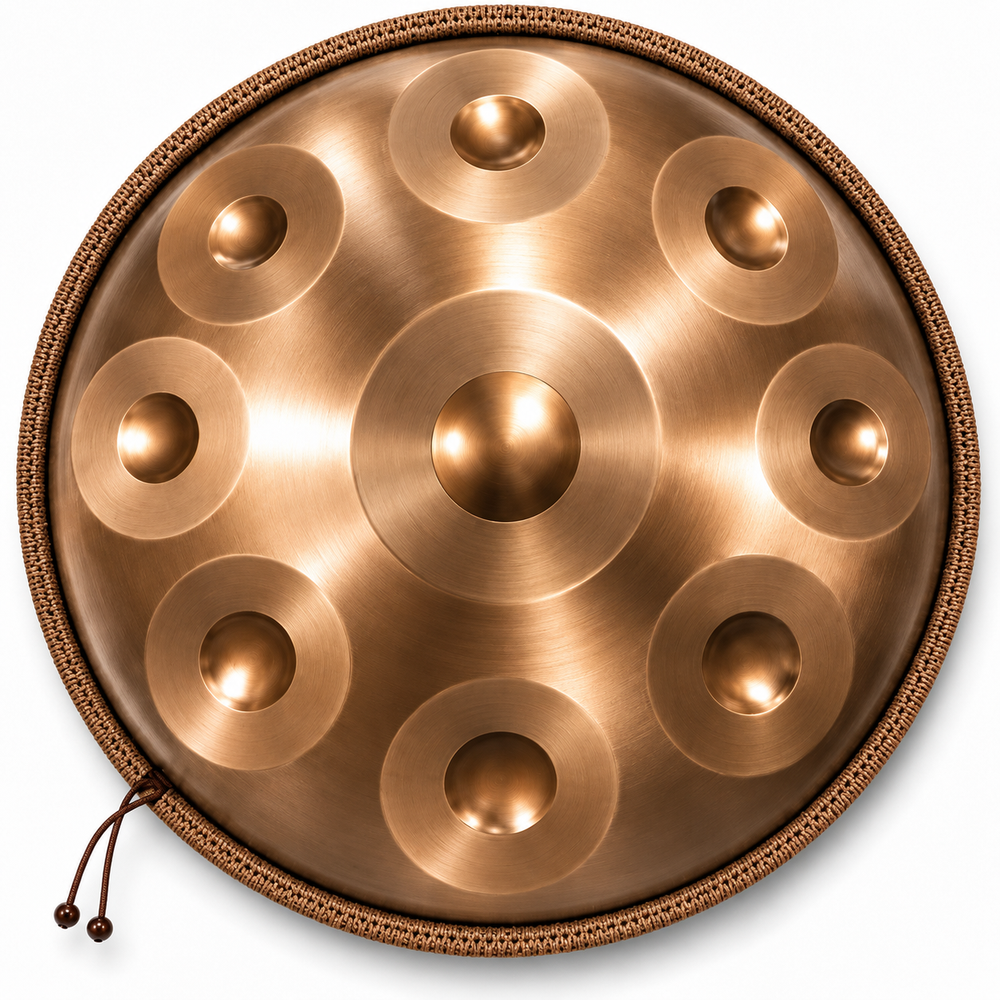
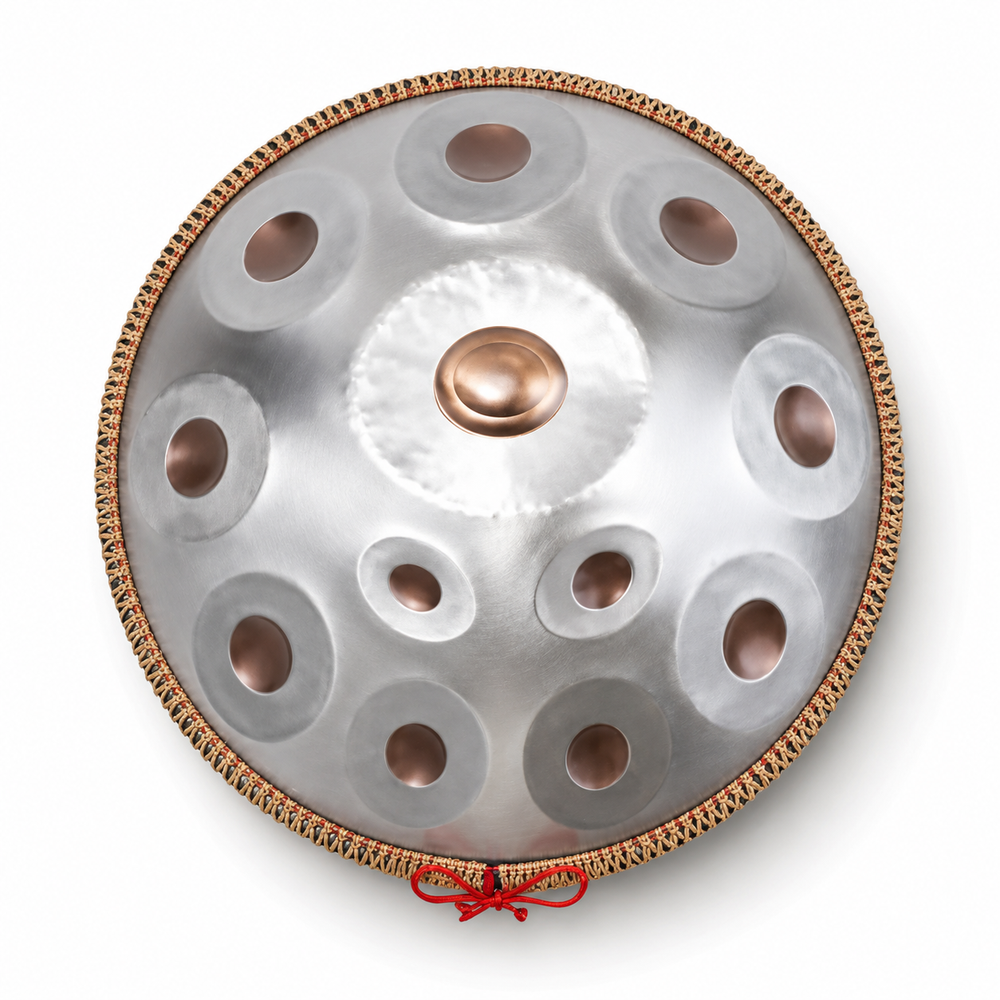
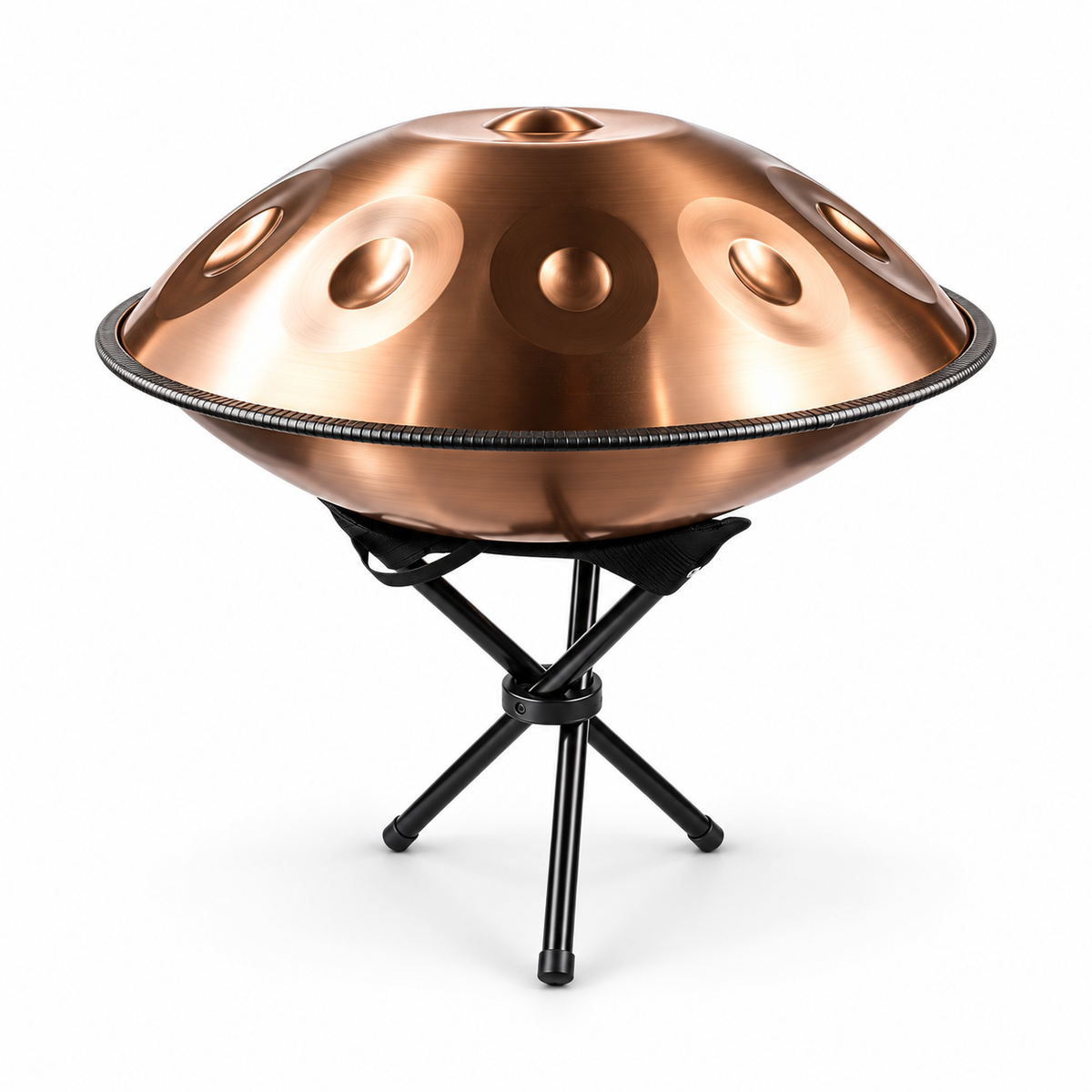
Three strong starting points in the Sonara collection are the Solis Handpan, the Sonara Luna, and the Aether Handpan. Each is available in accessible note layouts and starts in a price range that makes sense for a first serious instrument.
| Model | Best for | Starting price | Notes |
|---|---|---|---|
| Solis | Simple first handpan | From $799 | 9, 10 or 12 |
| Sonara Luna | Versatile beginner playing | From $799 | 9, 10 or 12 |
| Aether | D Kurd with room to progress | From $849 | 9, 10 or 12 |
D Kurd is one of the most beginner-friendly choices because it is expressive, balanced and forgiving when you improvise. It can sound calm when played slowly and more rhythmic when you increase the tempo, so you are unlikely to outgrow it quickly.
D Minor is also an excellent first choice. The important thing is not choosing the “most advanced” scale. It is choosing a scale whose mood makes you want to keep playing.
Choose 9 notes if you want the most direct learning experience. The layout is easy to remember and gives you enough notes to practice basic grooves, alternating hands and simple melodies.
Choose 10 notes if you want a little more melodic freedom without adding much complexity. For many first-time buyers, this is the best balance between simplicity and range.
Choose 12 notes if you already have musical experience or know you want more melodic options. The larger range can be rewarding, but it is not necessary to start learning.
440Hz is the standard concert pitch and is the easiest choice if you may play with other musicians or instruments. 432Hz is slightly lower in pitch and some players simply prefer how it feels or sounds to them.
Neither tuning is universally “better.” If you are unsure, choose 440Hz for maximum compatibility. If you already know you prefer 432Hz, several Sonara models offer that option.
Price matters, but tuning quality matters more. A very cheap instrument with unstable notes can make learning frustrating. A beginner does not need the largest or most expensive handpan; you need a properly tuned instrument with a scale that suits you.
At Sonara, beginner-friendly handpans currently start at $799, with higher prices for additional notes, finishes and configurations.
If you want the simplest entry point, start with a 9-note Solis or Sonara Luna. If you want a D Kurd instrument with more room to expand, the Aether is a strong choice. If you already know you want extra range, consider a 10- or 12-note configuration.
The best first handpan is not the one with the most notes. It is the one that makes you want to sit down and play every day.
Explore all beginner handpans →
Find a beginner lesson or song you genuinely want to play, note its scale and pitch list, and compare that with the exact configuration of the handpan you plan to order. Choosing a handpan solely because it is labelled “beginner” can leave you with the wrong extension for a favorite tutorial. A focused 9-note layout is often a better start than an expensive expansion you do not yet know how to use.
Budget-first: compare the Solis D Minor and Nocturne D Minor, both listed from $799. D Kurd-first: compare the Aether from $849 and Azure from $899. Still undecided: read our US handpan buying checklist and check shipping, pitch chart and care requirements before placing an order.
For exact budget comparison, see handpans starting below $1,000. If you already know you want a minor-mode layout, read our D Kurd comparison.
Find your sound
Start with a scale and note layout that feels intuitive. Explore Sonara's beginner-friendly handpans and choose the instrument you will want to keep playing.


Trusted by 2,000+ Handpan Lovers