Handpan buying guide
Best Handpans Under $1,000: Affordable Models Compared
Compare handpans starting below $1,000. Find the right D Minor or D Kurd scale, note count and model before you buy.

Handpan buying guide
Compare handpans starting below $1,000. Find the right D Minor or D Kurd scale, note count and model before you buy.
Quick answer
Selected by Sonara
Searching for the best handpan under $1,000? A clearly defined budget is a smart place to begin. Rather than choosing the cheapest photograph, compare the scale, number of notes, steel specification and final price of the exact variant you want. This guide covers real handpans in the Sonara catalog with starting prices below $1,000 and explains which compromises actually matter.
| Model | Listed variants | Starting price |
|---|---|---|
| Solis D Minor | 9, 10 & 12 notes | From $799 |
| Nocturne D Minor | 9 & 10 notes | From $799 |
| Luna D Minor Stainless Steel | 9, 10 & 12 notes | From $799 |
| Aether D Kurd | D Kurd | From $849 |
| Azure D Kurd | 9, 10 & 12 notes | From $899 |
Catalog prices checked October 2026; the exact variant price may be higher. Confirm current price, configuration and availability on its product page.
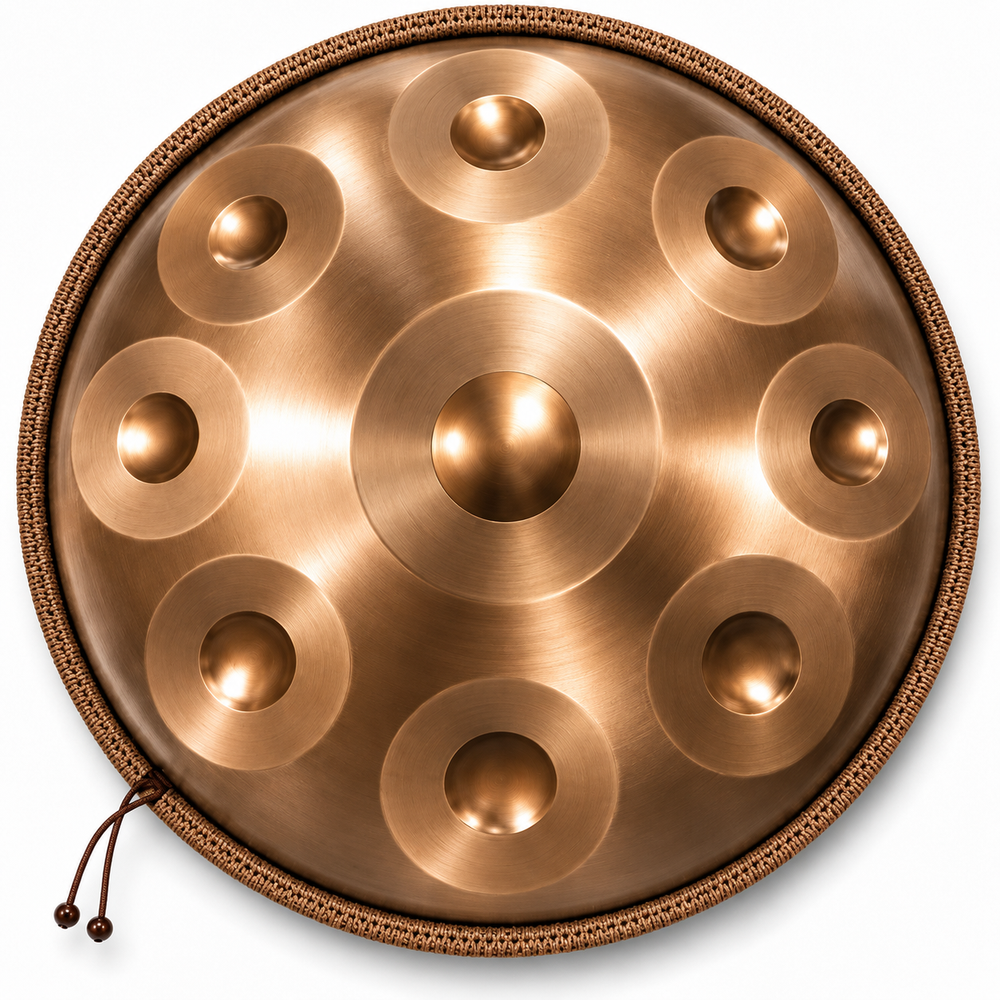
Starting at $799, the Solis D Minor offers listed 9-, 10- and 12-note configurations. It is a practical first comparison if you want to choose a compact learning layout today while evaluating whether a broader scale is worth the added cost. Compare the specific pitches and exact prices of each version before ordering.
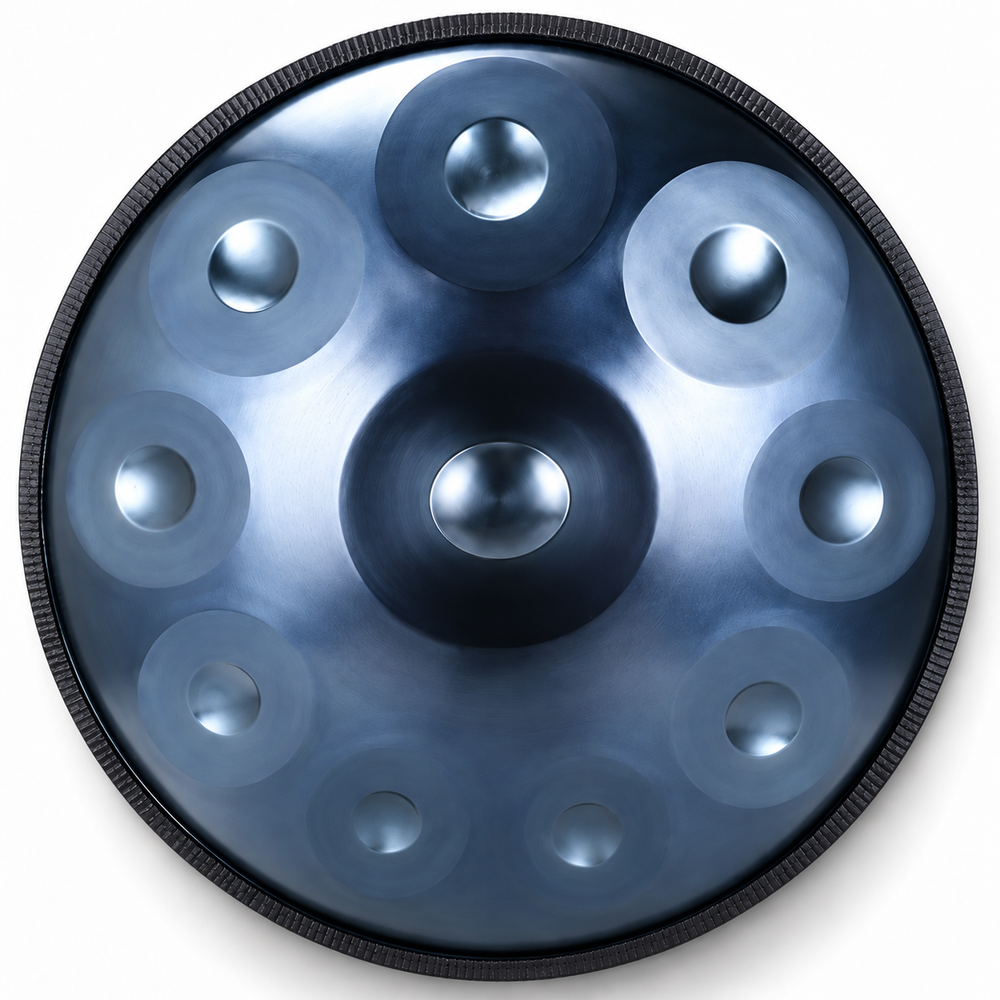
The Nocturne D Minor starts at $799 and lists 9- and 10-note options. If you have already decided that a simpler layout suits your preferred style, there is less reason to pay for an extended note count you might not use. Listen to the sound example and verify the pitch chart.
Also starting at $799, Luna D Minor Stainless Steel is listed as a stainless steel handpan with 9-, 10- and 12-note versions. Stainless steel is an important purchase consideration, but the stated material alone cannot tell you which instrument sounds best. Compare actual audio and care requirements.
At a starting price of $849, Aether D Kurd is worth considering if you're specifically shopping for D Kurd. This scale family is often used for melodic improvisation, but the exact note layout varies by maker and configuration. Check compatibility with the music you want to learn.
Starting at $899, the Azure D Kurd lists 9-, 10- and 12-note choices. That makes it useful for shoppers who want to compare note layouts within one model family. A 12-note version may not remain below the $1,000 threshold, so check the selected option before checkout.
It can be. Price alone cannot verify tuning consistency, durability or tonal quality, but a manageable 9- or 10-note instrument can be musically satisfying. Your best next step is to listen, compare the note map and confirm exactly what arrives in the box. If you have not chosen a scale, our first-handpan guide explains the beginner decision process without assuming every shopper needs the most expensive variant.
Nine notes can keep the learning experience focused; ten notes add a pitch or playing possibility depending on the layout; twelve notes may provide more melodic range, sometimes including notes on the underside. A larger note count is not inherently better. Make sure the added pitches are useful to the songs, meditations or improvisations you plan to play. Importantly, sellers may count the central ding differently, so compare pitch lists instead of relying on the number alone.
D Minor is a broad description while D Kurd usually identifies a more specific scale arrangement. Two instruments carrying these labels may not have identical pitches. If you plan to follow a D Kurd tutorial, insist on the correct note chart. Our D Kurd comparison guide explores the differences among layouts.
Start with Solis D Minor or Nocturne D Minor when the goal is a lower entry price; compare Aether D Kurd and Azure D Kurd when D Kurd is the priority; review Luna D Minor Stainless Steel if its listed steel specification interests you. These are recommendations by shopping criteria, not claims of independent acoustic testing.
No. Each featured product starts under $1,000; certain note-count or tuning configurations may exceed that amount.
No. A smaller compatible scale can be expressive for many players. The benefit of extra notes depends on which pitches are added.
Neither reference pitch guarantees improved health or sound quality. Choose based on your listening preference and the instruments you intend to play alongside.
Review our guide to buying online in the USA, then choose a specific listing with an understandable final price and clear policies.
A shopper comparing a $799 Solis, an $849 Aether and an $899 Azure might assume the difference is simply $50 or $100. That comparison is only valid when the selected configurations and included items are equivalent. For example, a 9-note price should not be compared against a 12-note price without accounting for the added pitches and any accessories. Keep a shortlist with columns for selected note map, total cart price, tuning, shipping charge and included case or stand.
Start with the entry configurations of Solis, Nocturne and Luna, which each have a $799 starting price. That leaves little room for shipping or other add-ons if your $800 limit is absolute.
Also compare the Aether ($849 starting) and Azure ($899 starting). The important difference for some players may be the D Kurd listing, not the extra dollars.
Before paying more, identify the exact additional note or specification you gain. Browse intermediate handpans and compare whether the upgraded layout supports your playing goals.
Use the same headphones and listening level when comparing instrument recordings. Hear slow single notes, short repeated patterns and full melodic passages if the available recordings allow it. A loud, reverberant video is not proof that a handpan is well balanced. If you cannot hear the actual configuration you intend to buy, ask the seller whether a matching demonstration exists.
If you already follow a course requiring a specific note outside a basic layout, the least expensive instrument might create a mismatch. Likewise, if you need to perform with a particular ensemble, verify tuning reference and the actual pitch list first. An affordable handpan is only good value when it plays the music you want to learn.
Find your sound
Explore real Sonara models starting below $1,000. Compare D Minor and D Kurd sounds, choose your note count, and confirm your exact configuration before checkout.


Trusted by 2,000+ Handpan Lovers